
New Year's superstitions are customs meant to sweep out last year's bad luck and invite good fortune for the year ahead. In Ireland, that means letting the old year out the back door and the new year in the front, banging Christmas bread against the walls to chase away bad spirits, and hoping the first visitor after midnight is a tall, dark-haired stranger. Here are the New Year's superstitions and traditions Irish families still follow, what each one means, and how to bring a little Irish luck into your own celebration.
Irish New Year's Superstitions and Traditions
1. First-Footing: The First Visitor Brings the Year's Luck
First-footing is the belief that the first person to step into your home after midnight sets your luck for the whole year. In Ireland and Scotland, the luckiest first-footer is a tall, dark-haired man carrying small gifts: coal for warmth, bread so the house never goes hungry, salt for flavor and a drop of whiskey for good cheer. A fair-haired visitor, or one arriving empty-handed, was considered unlucky.
2. Let the Old Year Out and the New Year In
Just before midnight, many Irish families open the back door to let the old year, and all its troubles, leave the house. At the stroke of midnight they open the front door to welcome the new year in. It's one of the simplest Irish New Year's traditions to try at home.
3. Banging Bread Against the Walls
One of the oldest Irish New Year's Eve customs is banging a loaf of Christmas bread against the walls and doors of the house. The noise drives out bad luck and evil spirits, and the bread promises that the family will have plenty to eat in the year ahead. In some homes, pots and pans took the place of the bread, and the tradition of making noise at midnight lives on today.
4. Don't Sweep or Take Anything Out on New Year's Day
According to Irish superstition, nothing should leave the house on New Year's Day, and that includes dust. Sweeping or taking out the rubbish could sweep your good luck out the door along with it. Clean the house on New Year's Eve instead, so the year starts fresh.
5. Eat a Big Meal on New Year's Eve
A full table on New Year's Eve was believed to guarantee a full table all year long. Irish families would make sure everyone ate well before midnight, so hunger would never cross the threshold in the new year.
6. A Sprig of Mistletoe or Holly Under the Pillow
Young unmarried women in Ireland once placed a sprig of mistletoe or holly under their pillow on New Year's Eve, in the hope of dreaming of their future husband.
7. A Candle in the Window
The candle in the window is best known as an Irish Christmas tradition, but many families keep it burning through New Year's Eve as a sign of welcome for travelers and a light for loved ones who are far from home.
8. A Coin on the Doorstep and New Clothes
Leaving a coin on the doorstep on New Year's Eve and bringing it in on New Year's morning is said to bring wealth into the house. Wearing something new on New Year's Day promises new things to come, while lending money on the first day of the year risks lending out your luck.
9. Twelve Grapes at Midnight: A Borrowed Custom
Eating twelve grapes at midnight, one for each chime of the clock and each month of the year, is a Spanish tradition rather than an Irish one. It has become popular at New Year's parties in Ireland and America, and it pairs nicely with the older Irish customs above.
10. An Irish Toast for the New Year
The traditional Irish New Year's toast is "Go mbeirimid beo ar an am seo arís", which means "May we all be alive at this time next year." It's a heartfelt wish for health and a reason to gather again twelve months from now.
How to Say Happy New Year in Irish
Happy New Year in Irish is "Athbhliain faoi mhaise duit," pronounced roughly "ah-VLEE-in fwee WAH-sha ditch." It means "a prosperous new year to you." To wish it to more than one person, say "Athbhliain faoi mhaise daoibh" (ditch becomes "deev"). New Year's Eve in Irish is Oíche Chinn Bhliana, "the night at the head of the year."
Start the New Year With a Little Irish Luck
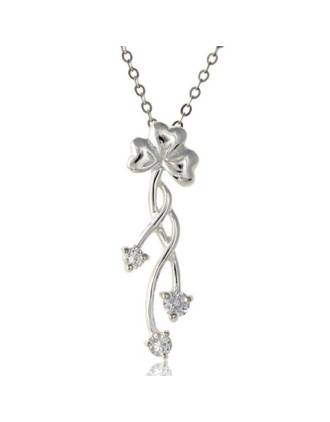
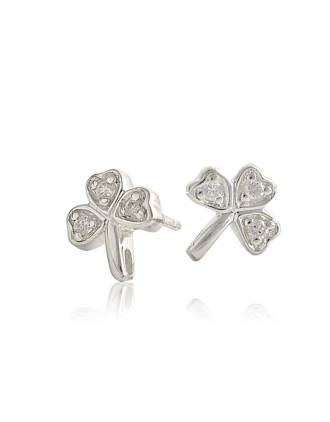
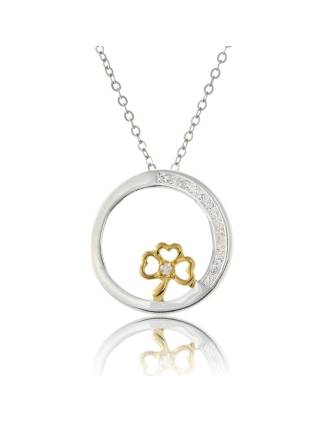
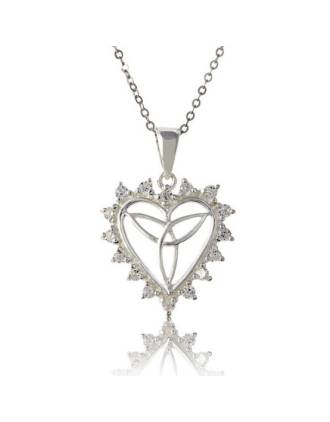
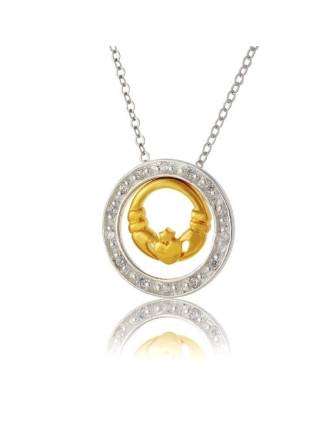
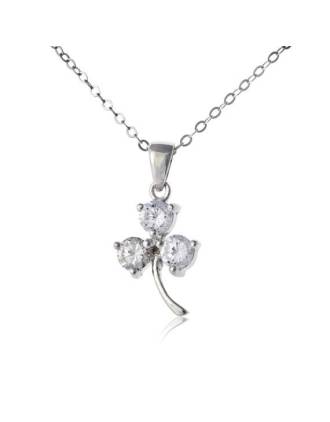
The shamrock has been Ireland's symbol of luck for centuries, which makes shamrock jewelry a natural New Year's gift. A Celtic knot, with no beginning and no end, is a wish for a love that lasts through every year to come, and an Irish blessing piece carries good wishes every day.

Little Shamrock Earrings

Peridot Green Shamrock Stud Earrings

Irish Journey Necklace

Celtic Love Knot Heart Pendant
The next Irish celebration comes just a month later: Imbolc and St. Brigid's Day on February 1, the first day of spring in the old Irish calendar.
New Year's Superstitions FAQ
What are the most common New Year's superstitions?
The most common New Year's superstitions include first-footing (the first visitor after midnight sets your luck), making noise at midnight to scare off bad spirits, not sweeping or taking anything out of the house on New Year's Day, eating a big meal on New Year's Eve for a year of plenty, and wearing new clothes for a fresh start.
What should you not do on New Year's Day?
By tradition, you shouldn't sweep, take out the rubbish, lend money or let anything leave the house on New Year's Day, because it could carry your good luck out with it. Many people also avoid arguing or crying on the first day of the year, believing it sets the tone for the next twelve months.
What is first-footing?
First-footing is an Irish and Scottish New Year's tradition in which the first person to enter your home after midnight brings the year's luck. The ideal first-footer is a tall, dark-haired man carrying coal, bread, salt and whiskey, symbols of warmth, food, flavor and good cheer for the household in the year ahead.
Why do the Irish bang bread against the walls on New Year's Eve?
Banging Christmas bread against the walls and doors on New Year's Eve is an old Irish custom meant to drive out bad luck and evil spirits before the new year arrives. The bread also symbolizes plenty, so the family would have enough to eat in the year ahead.
How do you say Happy New Year in Irish?
Happy New Year in Irish is "Athbhliain faoi mhaise duit," pronounced roughly "ah-VLEE-in fwee WAH-sha ditch," meaning "a prosperous new year to you." For more than one person, say "Athbhliain faoi mhaise daoibh." New Year's Eve in Irish is Oíche Chinn Bhliana.
Written by Jennifer Derrig, founder and designer of The Irish Jewelry Company. Jennifer is a graduate of the Fashion Institute of Technology in New York and founded the family-owned company in 2006. Follow along on Instagram, Facebook and Pinterest.